





What Your Jeep Engine Light Means Today
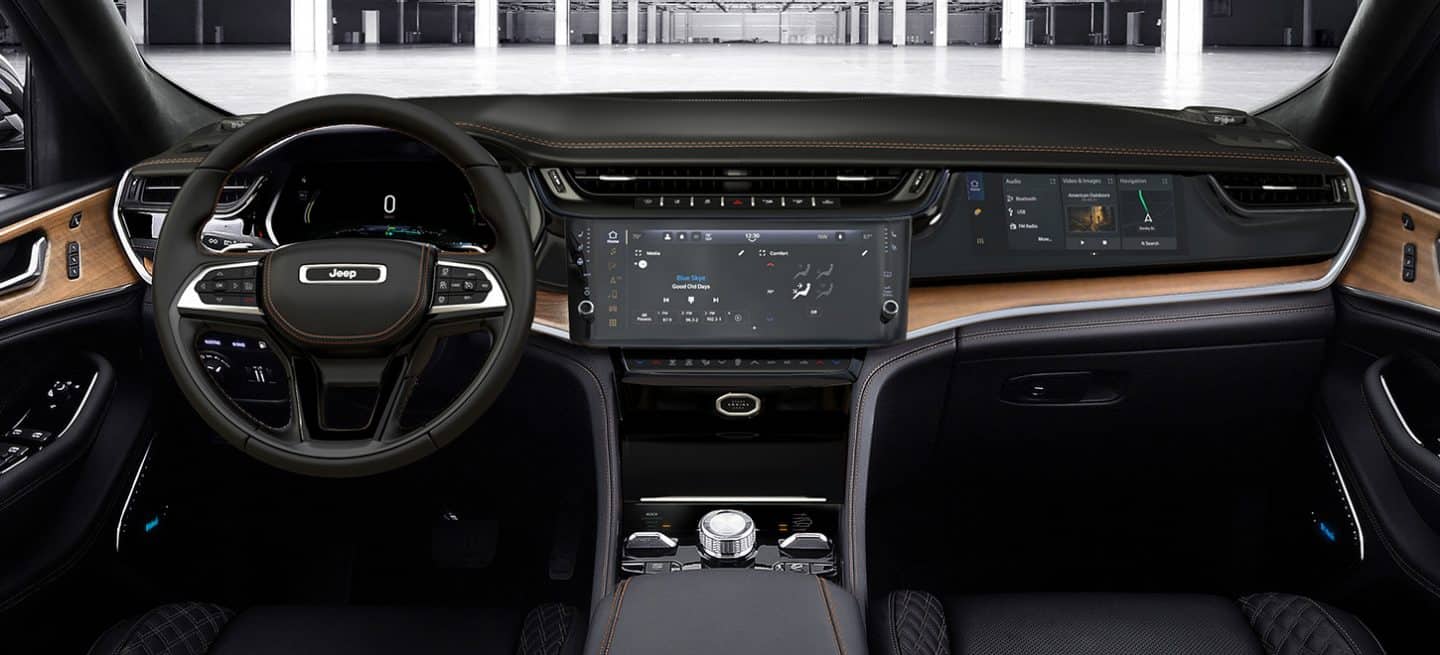
Photo Credit: Jeep
The Jeep Grand Cherokee Check Engine Light
Seeing the Jeep Grand Cherokee check engine light suddenly illuminate on your dashboard can be a stressful experience for any driver. This amber or yellow warning indicator is part of your vehicle’s Onboard Diagnostics (OBD-II) system, which constantly monitors crucial operations including the engine, transmission, and emissions controls. Because the light serves as a broad alert rather than identifying a specific component directly, understanding what triggers it and taking prompt action is essential for keeping your SUV running safely and efficiently.
What Could Cause the Check Engine Light to Come On?
The check engine light in a Jeep Grand Cherokee triggers whenever the Powertrain Control Module (PCM) detects an operational reading outside of normal factory parameters. Problems can originate from something as basic as an unsealed fuel filler neck or as involved as an internal timing fault. Addressing these causes early prevents a minor electrical or airflow glitch from turning into a severe mechanical failure.
Common factors that trigger the light include:
- Loose or Failing Gas Cap: Allows fuel vapors to escape, disrupting the pressure in the Evaporative Emission Control (EVAP) system.
- Faulty Oxygen Sensor (O2 Sensor): Measures unburned oxygen in the exhaust; a bad sensor compromises fuel economy and can overheat the catalytic converter.
- Malfunctioning Mass Airflow (MAF) Sensor: Measures incoming air to calculate the proper fuel-air mixture. A dirty or failing sensor leads to engine stalling, hesitation, and poor gas mileage.
- Worn Spark Plugs or Ignition Coils: Prevents smooth combustion, leading to engine misfires, rough idling, and reduced power.
- Failed Catalytic Converter: Causes heavy exhaust restriction, higher operating temperatures, and increased emissions output.
- Vacuum System Leaks: Cracked or dried-out vacuum hoses route fuel vapors incorrectly and cause high idle speeds or surging.
What Does the Check Engine Light Mean?
When the check engine light turns on, your Jeep’s computer has identified a fault that it cannot automatically correct on its own. The onboard computer logs a numerical Diagnostic Trouble Code (DTC) in its memory and lights up the symbol on your instrument cluster to notify you. Essentially, the light serves as an early warning communication system—letting you know that the engine’s air-to-fuel ratio, ignition timing, or emissions output is compromised.
Is It Safe to Drive with the Check Engine Light On?
Whether it is safe to continue driving depends entirely on how the light is behaving. If the check engine light is solid and steady, and your Grand Cherokee feels like it is driving normally, it is generally safe to complete your current trip and schedule a diagnostic check soon. However, if the check engine light is flashing or blinking, you must pull over safely as soon as possible. A blinking light indicates a severe engine misfire, which dumps raw fuel into the exhaust pipe and can permanently ruin your expensive catalytic converter within minutes.
Check Engine Light Codes
When a vehicle diagnostic tool is connected to the OBD-II port beneath your dashboard, it retrieves specific diagnostic codes that point technicians toward the root cause of the issue.
Frequent OBD-II codes found on the Jeep Grand Cherokee include:
- P0456 / P0440 (EVAP System Leak Detected): Indicates an evaporative emissions leak, often linked to a loose gas cap, cracked purge valve, or EVAP hose.
- P0300 (Random / Multiple Cylinder Misfire): Signals that one or more engine cylinders are failing to fire correctly due to spark plug, ignition coil, or fuel injector issues.
- P0420 (Catalyst System Efficiency Below Threshold): Suggests the catalytic converter is not processing exhaust gases properly.
- P0171 (System Too Lean – Bank 1): Means the engine is receiving too much air or not enough fuel, often caused by a vacuum leak or faulty MAF sensor.
- P0138 (O2 Sensor Circuit High Voltage): Points to a malfunctioning oxygen sensor or wiring fault in the downstream exhaust monitoring system.
FAQ
Can a low car battery trigger the check engine light in a Jeep Grand Cherokee?
Yes. Modern Jeep models rely heavily on consistent electrical voltage. A weak or dying battery can cause sensor voltage drops, triggering false fault codes and illuminating the check engine light.
Will the check engine light reset itself after I tighten my gas cap?
It can, but it usually takes several driving cycles. Once the OBD-II system re-tests the EVAP pressure and verifies the leak is sealed, the light will clear automatically. Alternatively, a technician can clear the code manually.
How much does it cost to diagnose a check engine light?
Diagnostic fees typically range from $100 to $180, depending on the depth of troubleshooting required. Professional diagnostics include real-time system testing, pinpointing exact root causes rather than simply reading basic code numbers.
Expert Care
When your Jeep Grand Cherokee check engine light turns on, having certified technicians inspect your vehicle ensures an accurate and lasting solution. The service team at Southern Chrysler Dodge Jeep Ram Chesapeake utilizes factory-trained Mopar specialists and advanced OBD-II diagnostic equipment tailored specifically to your Jeep’s engine architecture. Whether you require a simple sensor replacement or a complex emissions repair, scheduling your service with local certified professionals guarantees genuine OEM parts, expert repair standards, and complete peace of mind on every drive.